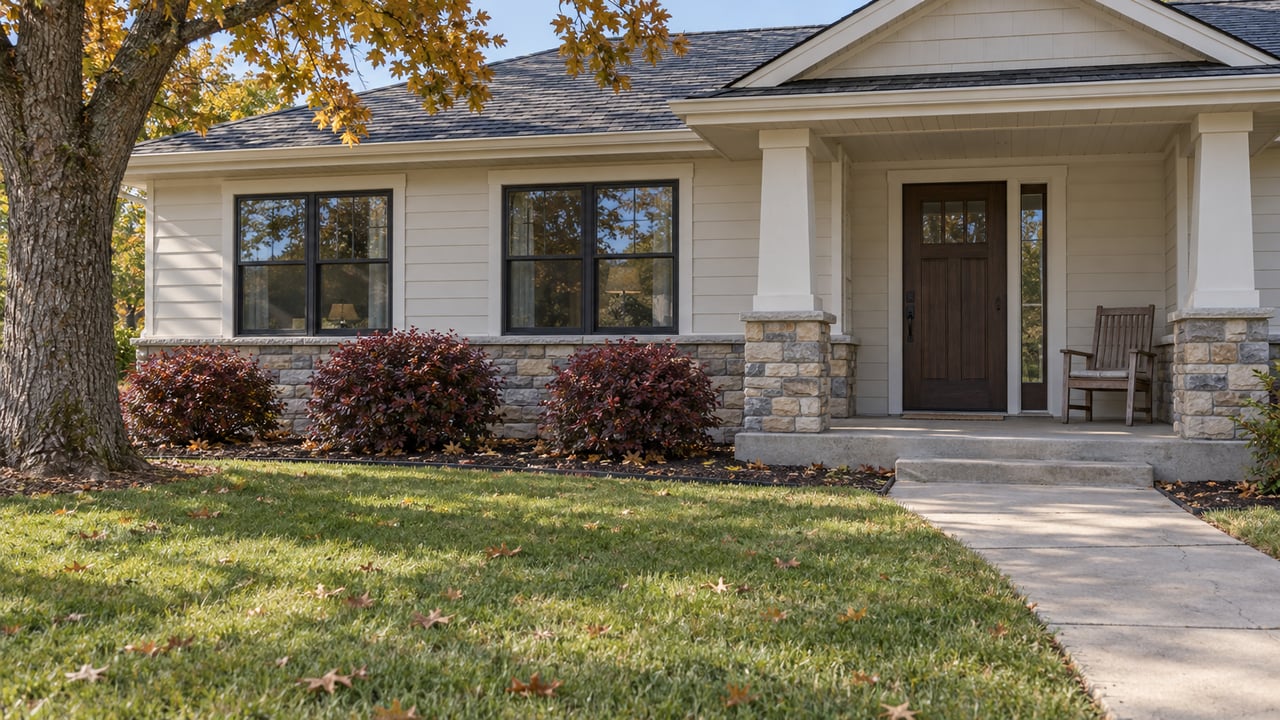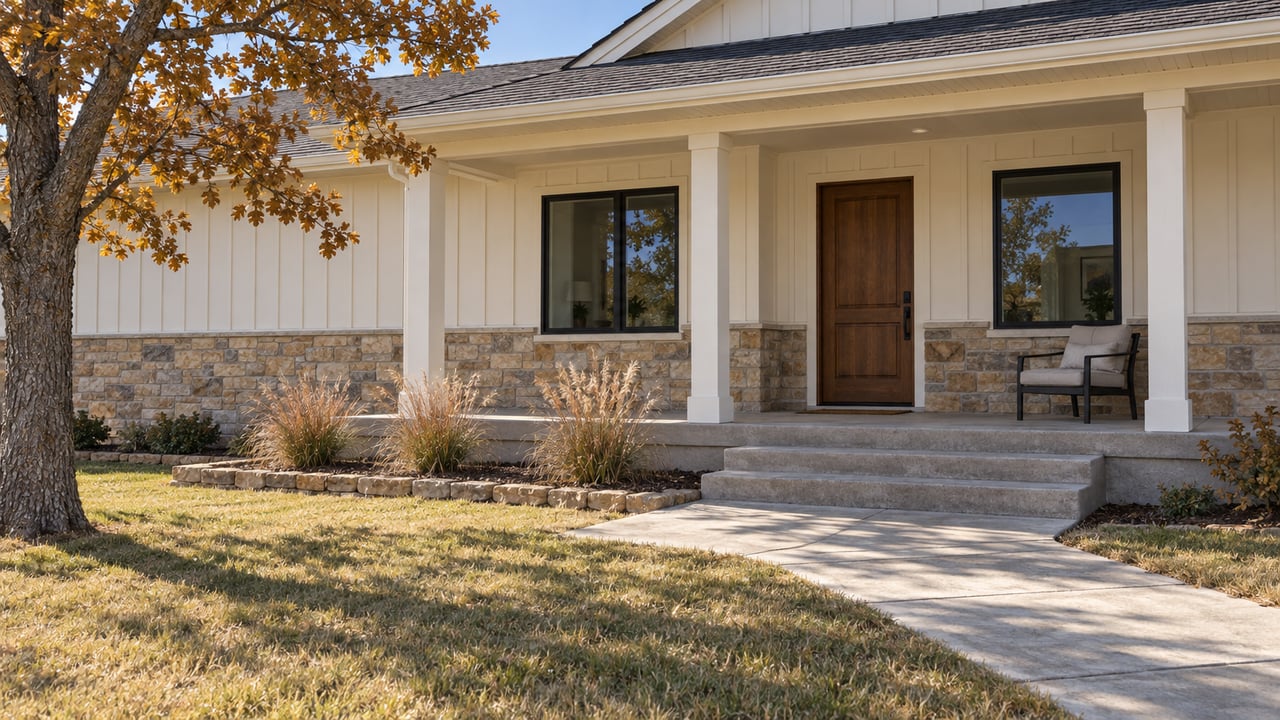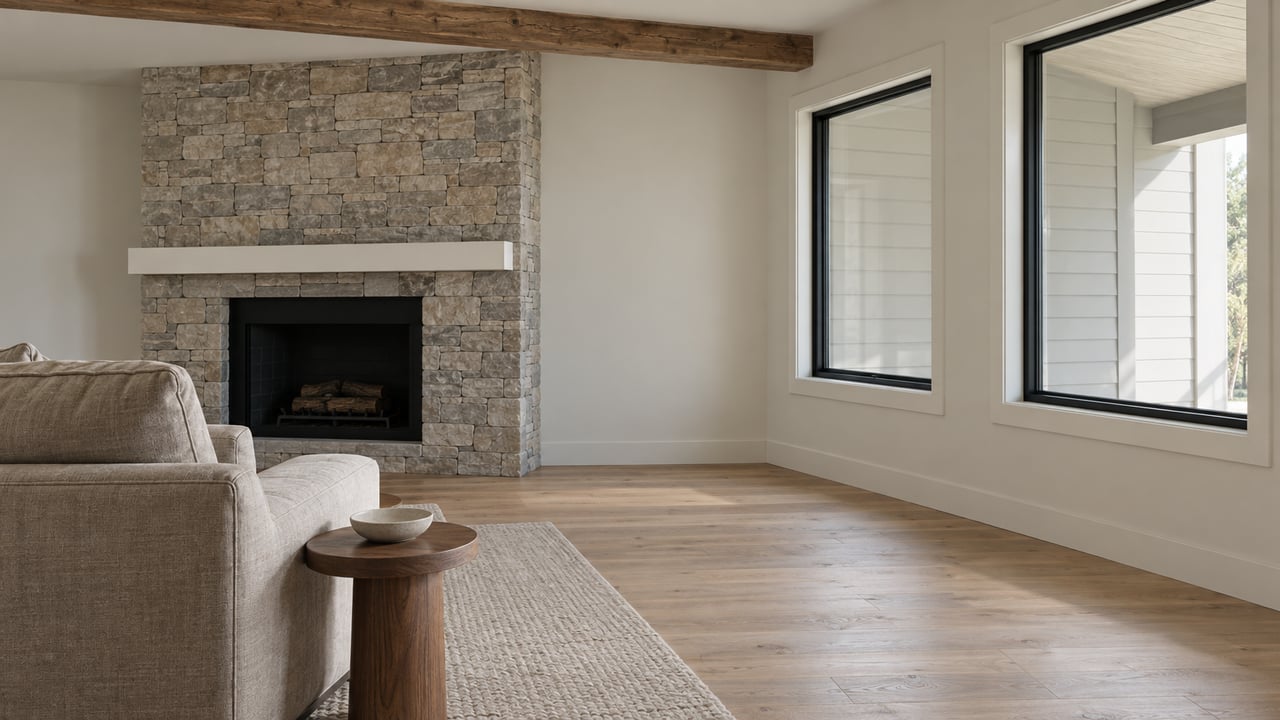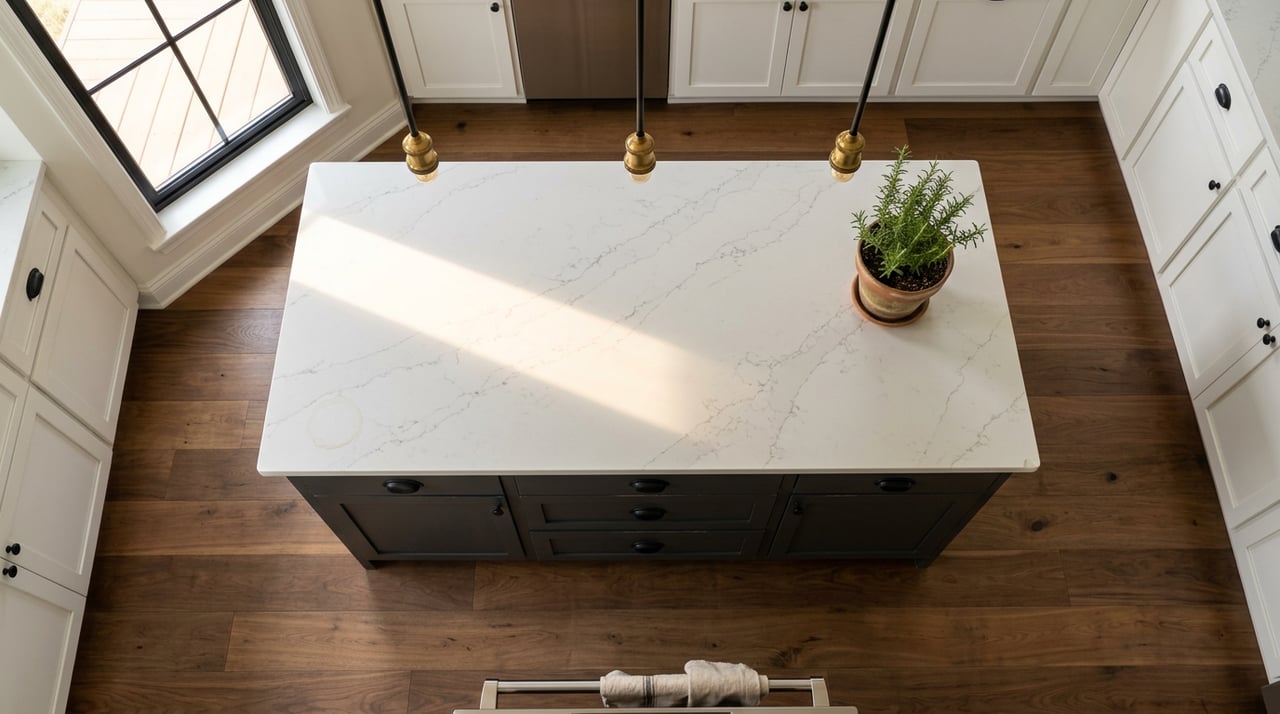
Thinking about buying a brand-new home in Fort Morgan? New construction can give you the appeal of modern layouts, fresh materials, and fewer immediate repair worries, but it also comes with different timelines, decisions, and contract details than a resale home. If you want to understand how the process works, what you can customize, and what questions to ask before you sign, this guide will help you move forward with more confidence. Let’s dive in.
Why Fort Morgan New Construction Stands Out
Fort Morgan buyers currently have a mix of planned, under-construction, and move-in-ready homes to consider. That matters because your experience can look very different depending on whether you choose a lot and build from the ground up or buy a home that is already close to completion.
Local options include communities like The Bijou and Riverview Commons. The Bijou offers six house plans and separates inventory into model homes, priced and under-construction homes, and ready-to-build homes, while Riverview Commons advertises move-in-ready homes and build-ready lots with infrastructure already in place.
For you, that means new construction in Fort Morgan is not just one type of purchase. It can range from a faster, more straightforward move-in-ready home to a semi-custom build where you make design selections along the way.
What “New Construction” Can Mean
Not every new home purchase follows the same path. In Fort Morgan, you may come across three main categories, and each one affects your timeline, financing, and customization options.
Move-in-ready homes
A move-in-ready home is already finished or nearly finished. In many cases, your choices may be limited because flooring, cabinets, paint colors, and other finishes have already been selected.
The benefit is speed. If you want a newer home without waiting through the full construction process, this option may be the simplest fit.
Under-construction homes
An under-construction home is already in progress. Depending on the stage, you may still be able to choose some finishes or features, but certain structural and design decisions may already be locked in.
This option often gives you a middle ground. You may get some personalization without waiting as long as a true ground-up build.
Ready-to-build homes
A ready-to-build purchase usually starts with choosing a lot and a floor plan. From there, you may be able to tailor parts of the home based on the builder’s available options.
At The Bijou, GO Homes says buyers can choose a lot and model, tailor the floor plan and elevation, and select items like cabinetry, exterior finishes, paint, flooring, landscaping, technology, and comfort or HVAC options. That makes it feel more like a semi-custom purchase than a typical resale transaction.
How Much You Can Customize
One of the biggest reasons buyers choose new construction is the chance to make the home feel more personal from the start. In Fort Morgan communities with semi-custom features, your level of choice often depends on how early you enter the process.
If you buy before construction begins, you may have more flexibility with floor plans, elevations, and finish selections. If the home is already underway, your options may narrow as materials are ordered and work is completed.
Here are some of the choices that may be available, depending on builder and timing:
- Lot selection
- Floor plan selection
- Exterior elevation
- Cabinetry
- Paint colors
- Flooring
- Exterior finishes
- Landscaping
- Technology options
- HVAC or comfort features
Before you commit, ask which choices are still available right now for the specific home you are considering. That question can help you avoid assuming you can change something that has already been finalized.
What the Build Timeline Looks Like
The construction timeline is one of the biggest practical differences between new construction and resale. GO Homes outlines a build sequence that includes surveying and soil testing, excavation, foundation, framing, mechanical work, exterior work, insulation and drywall, interior finish, finishing touches, and then an orientation and walkthrough.
Nationally, the average time to complete a single-family home was 10.1 months in 2023. That does not mean every Fort Morgan home will take that long, but it does help set realistic expectations for a ground-up build.
If you choose a completed or nearly completed home in Fort Morgan, you can usually expect a faster path to closing than if you start from a vacant lot. That is especially important if you are coordinating a lease ending, a current home sale, or a work-related move.
Why Local Permitting Matters
When you buy a new construction home, the builder handles much of the construction process, but local permitting still affects timing. In Fort Morgan, the building department requires a complete permit application before a permit can be issued, and the city uses MyGov for permit and contractor registration.
The city’s fee schedule also notes that electrical permits have been handled by the State of Colorado since July 1, 2022. For buyers, the key takeaway is simple: local approvals are part of the timeline, and delays can happen if paperwork or scheduling is incomplete.
That is one reason it helps to ask for realistic timing updates instead of focusing only on the original target completion date. New construction usually involves more moving parts than a resale purchase.
Financing a New Construction Home
Financing depends a lot on the type of property you choose. A completed or nearly completed new home often works more like a standard home purchase, while a true ground-up build may involve construction financing.
Standard mortgage vs. construction loan
If the home is already built or close to finished, you may be able to use a traditional purchase mortgage. That can feel more familiar and may be simpler for many buyers.
If the home is not yet built, construction financing may come into play. Consumer guidance explains that construction loans are short-term, typically have higher rates than purchase mortgages, and release funds in stages as work progresses. In some cases, the loan converts to a permanent mortgage, while in others, reapplication may be required.
Preapproval still matters
A preapproval letter is still an important early step. Even though preapproval is tentative, sellers often require it before accepting an offer.
If you are just starting out, getting preapproved can help you understand your comfort zone before you start comparing lots, plans, upgrades, and monthly costs.
You do not have to use the builder’s lender
If a builder has a preferred lender, you can still shop around. That gives you the chance to compare rates, fees, and loan structures.
You should also ask whether the builder is offering any incentive tied to the preferred lender, then compare the full numbers before deciding. The best fit is not always the one with the biggest headline incentive.
Earnest money and deposits
For homes not yet built, a builder may ask for upfront earnest money or a builder deposit. You should ask under what conditions that money can be returned.
In Colorado, earnest money is generally held by a title company, and sales contracts include deadlines that affect refund rights and closing timing. That makes contract review especially important when you are buying a home that may not be finished for months.
Pay Attention to Pricing and Upgrades
With new construction, the base price is only part of the story. Builder pricing can change, and upgrade selections can affect your final cost.
For example, public pricing for The Bijou is not identical across pages. One source says homes start from the $400s, while GO Homes says The Bijou starts from the $500s. That tells you something important: starting price is a live market figure that should always be confirmed before you make decisions.
Beyond base price, ask for clarity on what is included and what costs extra. Items like premium lots, upgraded finishes, landscaping packages, and technology features can shift your total budget.
Understand the Warranty Before Closing
A new home warranty can be a real advantage, but it is not the same in every community. Coverage varies by builder, so you should ask for the written warranty booklet and review exactly what is covered after closing.
Colorado statutes distinguish a builder’s warranty connected to the sale of a new home from a separate home warranty service contract. Colorado’s Division of Real Estate also notes that construction-defect issues can involve separate legal procedures, so warranty coverage and defect rights should be treated as related but distinct protections.
As one local example, Riverview Commons says its homes include a 2-10 HBW-backed warranty with 1 year of workmanship coverage, 2 years for systems, and 10 years for structural coverage. That does not make 1/2/10 coverage universal in Fort Morgan. It simply shows why you should confirm the terms for the specific builder and property you choose.
Smart Questions to Ask Before You Buy
A new construction purchase usually goes more smoothly when you ask detailed questions early. Clear answers can help you compare builders, avoid surprises, and feel more confident about your decision.
Consider asking:
- Is the home move-in-ready, under construction, or ready to build?
- What selections are still available for this property?
- Which upgrades are included in the price, and which cost extra?
- What is the estimated completion timeline?
- What could delay construction or closing?
- How much earnest money or deposit is required?
- Under what conditions is the deposit refundable?
- Will I need a standard mortgage or a construction loan?
- Can I use my own lender?
- What does the builder warranty cover after closing?
Why Local Guidance Helps
Buying new construction in Fort Morgan can be exciting, but it also involves more moving parts than many buyers expect. You are not just choosing a house. You are weighing timing, builder processes, financing structure, selections, pricing, and post-closing coverage.
Having local guidance can help you compare options clearly, ask better questions, and understand how a semi-custom purchase differs from a resale home. That is especially valuable if you are a first-time buyer, balancing a strict budget, or trying to decide whether a move-in-ready home or a build-from-scratch path makes more sense for your timeline.
If you are exploring new construction in Fort Morgan and want practical, local guidance on communities like The Bijou, reach out to Adriana Otero. She can help you understand your options and take the next step with confidence.
FAQs
What types of new construction homes are available in Fort Morgan?
- Fort Morgan buyers may find move-in-ready homes, under-construction homes, and ready-to-build options, depending on the community and current inventory.
How long does it take to build a new home in Fort Morgan?
- Timing depends on the stage of the home, but a ground-up build generally takes longer than buying a completed or nearly completed home. Nationally, the average single-family home took 10.1 months to complete in 2023.
How much can you customize in a Fort Morgan new construction home?
- Customization depends on the builder and construction stage. In semi-custom communities, buyers may be able to choose a lot, floor plan, elevation, cabinetry, paint, flooring, exterior finishes, landscaping, technology, and HVAC options.
Do you need a construction loan for a new home in Fort Morgan?
- Not always. A completed or nearly completed new home may work with a standard mortgage, while a home that is not yet built may require construction financing.
Can you use your own lender for Fort Morgan new construction?
- Yes. Even if a builder has a preferred lender, you can still shop around and compare your financing options.
What should you know about builder warranties in Fort Morgan?
- Warranty coverage varies by builder, so you should ask for the written warranty booklet and confirm what is covered after closing, including workmanship, systems, and structural items if applicable.